
The Paradox of Ending Time
The Robot Who Looked Like MeThis thread examines how the Gleister sequence turns philosophical claims about recurrence and positional reality into an inescapable political and personal cycle.
increasing Bearing strength in each event
 decreasing
Bearing strength in each eventdecreasingA Warning Across Time
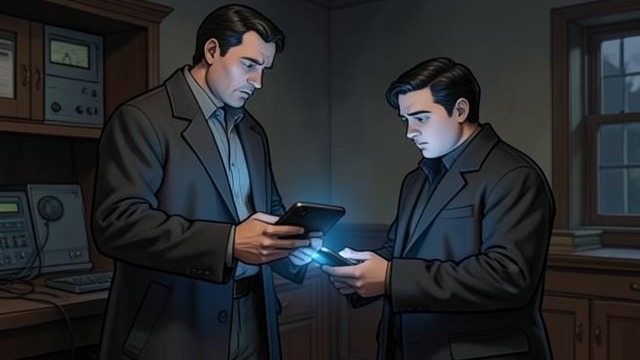
The Self Contradictory Warning
Advice from a future self
A visitor tells Charlie not to invent the time machine, though the visitor’s appearance presupposes that it has already been invented. The warning is trapped inside the history it seeks to prevent.
Choice remains possible
Charlie rejects the instruction and proceeds. The paradox does not remove agency; it makes the consequences of choice difficult to separate from repetition.
A World Altered by Arrival
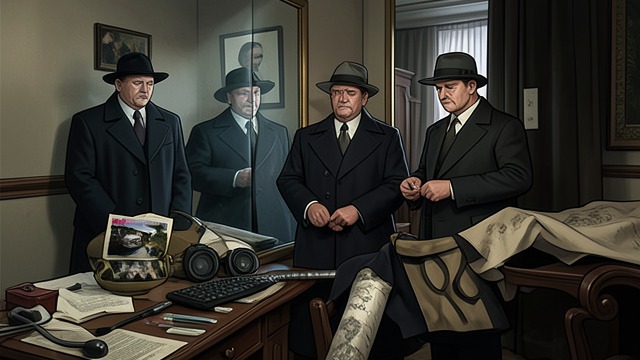
No Empty Place in the Past
The failed return idea
Charlie considers going back to prevent the invention but recognizes that the past has already been changed by his presence. There is no untouched slot waiting for him.
Positional identity
Each version of Charlie shares a past only up to the point of contact. Their differences make the attempt to repair history more complex than simply repeating an earlier action.
The Emperor’s Justification
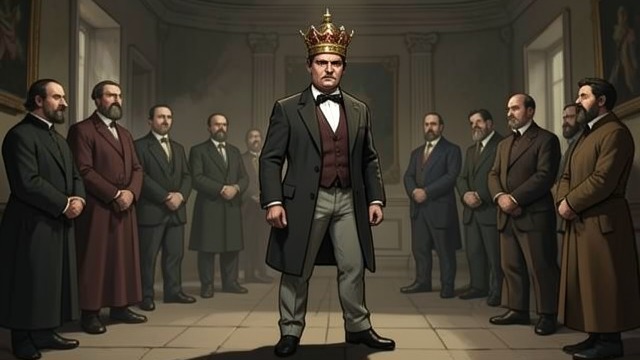
Order Versus Freedom
Mingus’s defense
Mingus argues that he imposed centralized rule on a disordered future and hopes to educate its people toward freedom. He presents empire as a practical response to conditions rather than a personal ambition.
Hieronymous’s objection
Hieronymous sees the intervention as colonial rule imposed on another era. Their dispute tests whether benevolent intentions can justify political domination.
The Succession Paradox
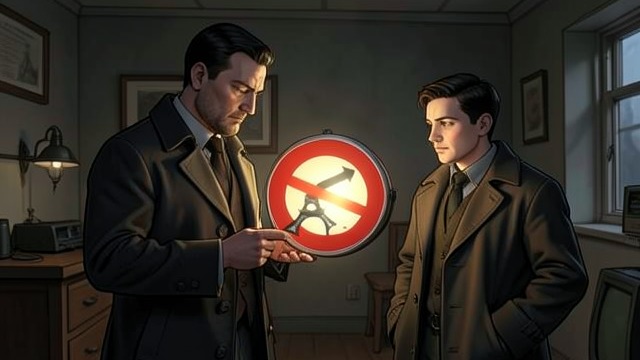
A Future That Requires Repetition
The emperor’s logic
Egon reasons that a time-traveling emperor must be followed by another emperor for the sequence to exist. He claims the title and prepares to continue the imperial line.
A prophecy intrudes
Hieronymous warns that the emperor is the slave of time. The phrase changes the political succession into a question of whether any ruler can escape the pattern that makes his rule possible.
An Expansion with No Exit
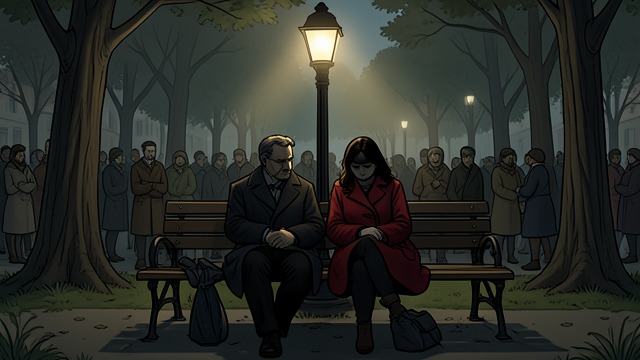
The Cost of the Cycle
A population beyond control
Millions of Gleisters have arrived, and no ordinary execution can stop the continuing growth. Even the emperor’s power cannot govern the mechanism that produced him.
A proposed ending
Hieronymous chooses death as a possible limit, but the closing return places Charlie back at the start of the cycle. The story leaves termination bound to recurrence rather than offering a clean escape.
Before Charlie completes the machine
After Charlie arrives in the future
At the resistance assembly
After Egon accepts the laser gun
During the final imperial audience
